Timber Stand Improvement for Whitetail Deer: Enhancing Habitat Quality and Deer Populations
Whitetail deer are one of North America's most iconic and sought-after game species. Managing their habitat is crucial for maintaining healthy populations and promoting their overall well-being. Timber Stand Improvement (TSI) is a proactive approach to habitat management that focuses on enhancing forest ecosystems to benefit whitetail deer. This article explores the importance of TSI and provides basic principles to consider when taking on TSI project.
Just what is Timber Stand Improvement. Timber Stand Improvement involves the selective removal or alteration of trees within a forested area to improve habitat quality. The goal is to create a more diverse and resilient forest ecosystem that provides better food, cover, and overall habitat conditions for whitetail deer. TSI practices aim to mimic natural disturbance patterns, such as wildfires or windstorms, to promote the growth of preferred browse species and enhance deer habitat as well as a plethora of other wildlife.
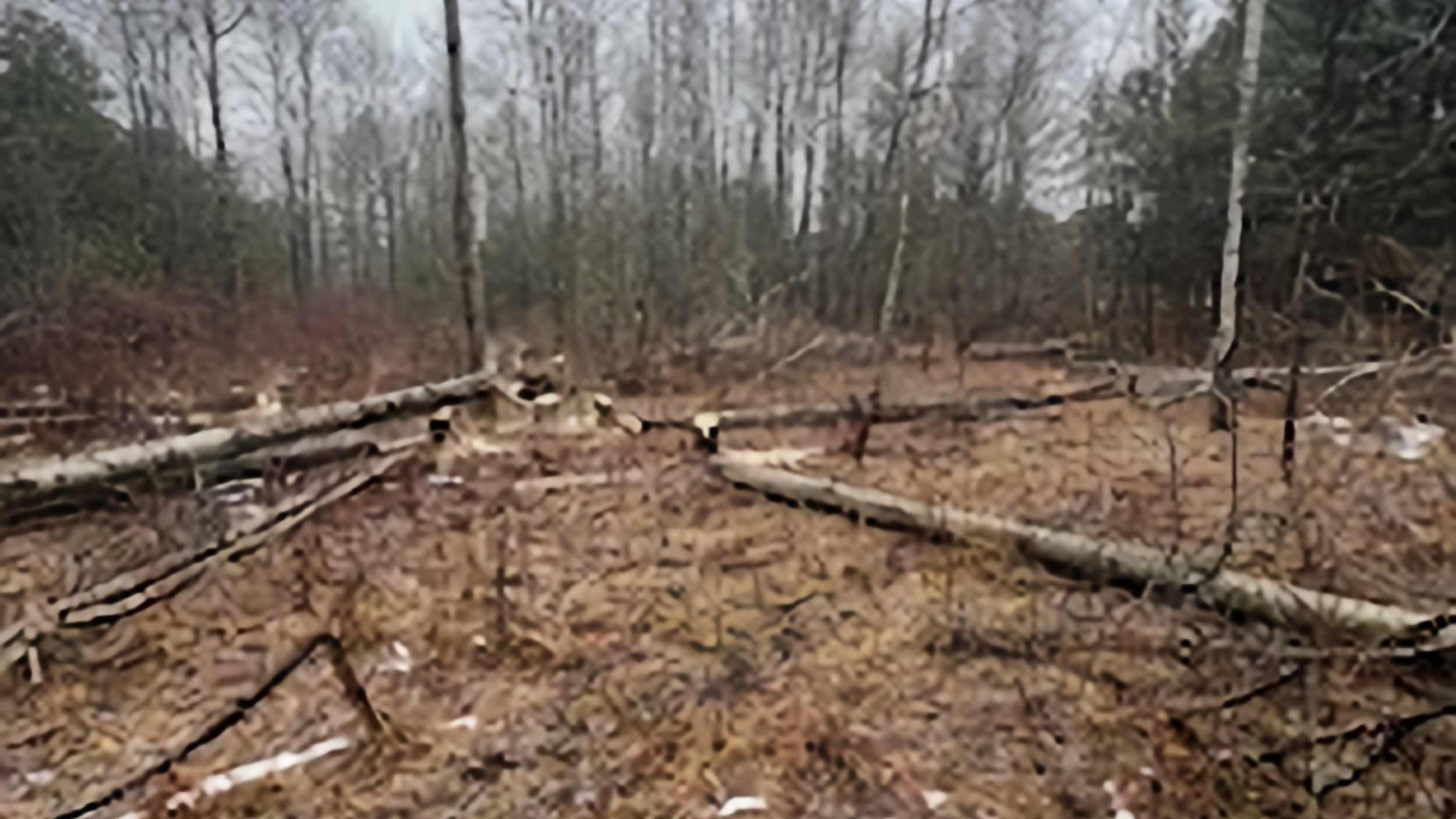
Creating preferred browse is key. Whitetail deer heavily rely on browse, particularly during winter months when other food sources are limited. TSI can target undesirable tree species and selectively remove them, allowing preferred browse species such as oak, maple, and dogwood to thrive. This practice increases the availability of nutrient-rich browse, providing deer with a reliable food source throughout the year. Leaving felled mature trees on the ground during the winter months allows for additional browse letting deer eat on the softer wood tips that would otherwise be out of reach.
Thinning and canopy manipulation to promote new growth. Thinning involves removing a portion of trees within a stand to reduce competition for resources and allow remaining trees to grow more vigorously. By selectively thinning overcrowded stands, sunlight penetration increases, stimulating the growth of understory vegetation such as shrubs and herbaceous plants. This benefits deer by diversifying their food sources and creating more forage options year-round.
Regeneration and succession is a major goal. Encouraging forest regeneration through TSI practices is vital for long-term habitat improvement. Creating gaps in the canopy by removing select trees promotes the establishment of new tree seedlings and promotes natural forest succession. This process enhances the overall health and diversity of the forest, providing deer with abundant cover and food sources at various stages of growth.
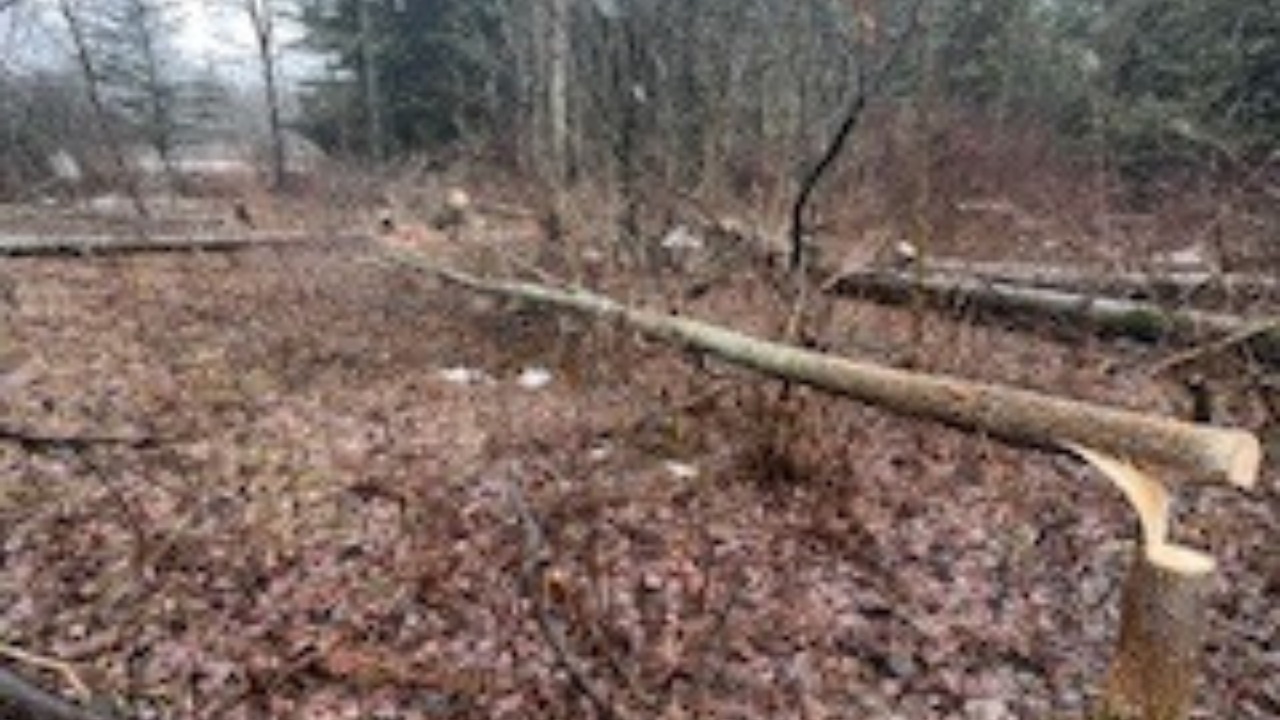
Deer thrive in areas where different habitat types meet, known as edge habitat. TSI can create edges by selectively thinning along forest edges, creating a transition zone between forests and open areas. This edge habitat provides deer with a mix of cover, forage, and visibility, making it an ideal location for feeding, bedding, and movement.
Timing is crucial when implementing TSI practices. Conducting TSI during dormant seasons or when deer populations are less active minimizes disturbance and stress on deer. Winter or early spring is my favorite time for timber stand improvements. It is also essential to monitor the results of TSI efforts over time. Assessing the impact of habitat improvements on deer populations to adjust your approach to ensure the desired outcomes are being achieved.
Timber Stand Improvement is a valuable tool for enhancing whitetail deer habitat and promoting healthy populations. By selectively manipulating tree stands, encouraging forest regeneration, and creating edge habitat, landowners and managers can provide deer with improved food sources, cover, and overall habitat quality. Implementing TSI practices in a thoughtful and sustainable manner ensures the long-term health and vitality of both whitetail deer and the forest ecosystem as a whole. Through responsible habitat management, we can contribute to the conservation and enjoyment of these magnificent creatures for generations to come.
